Best Time to Visit Yogyakarta
May to October for temples and clear sunrises, November to March for green rice fields and thinner crowds. A month-by-month guide from a guide who has worked every season, with the trade-offs left in.
Every season in Yogyakarta has a reason to come and a reason to stay away. The question is not which month is the "best", there is no such thing, but which month matches what you actually want from your trip. A traveller chasing the Borobudur sunrise needs May. A traveller who wants the rice fields at their greenest and the caves almost to themselves should look at February. A traveller who wants to sit in an angkringan at midnight eating nasi kucing while the city breaks its Ramadan fast needs to time their visit to the Islamic calendar, not the Gregorian one. This page gives you the honest breakdown, month by month, so you can match your dates to your priorities instead of guessing.
Two seasons govern everything here, and they are simpler than the monthly calendar suggests. The dry season runs roughly May to September: clearer skies, more reliable sunrises, safer footing on Merapi's volcanic dust, and the Jomblang Heaven's Light beam appearing most mornings. It is also the busiest season, with higher prices, fuller hotels, and the Borobudur climb quota filling days or weeks in advance. The wet season runs roughly November to March: afternoon downpours are routine, the cave light beam is a gamble, and some operators scale back. But the rice fields turn a deep emerald, the crowds thin to almost nothing, and the mornings, which are often clear before the afternoon storms roll in, can be some of the finest of the year. The shoulder months, April and October, sit between the two and are the sweet spot for many travellers: reasonable weather, modest crowds, and the best balance of price and reliability.
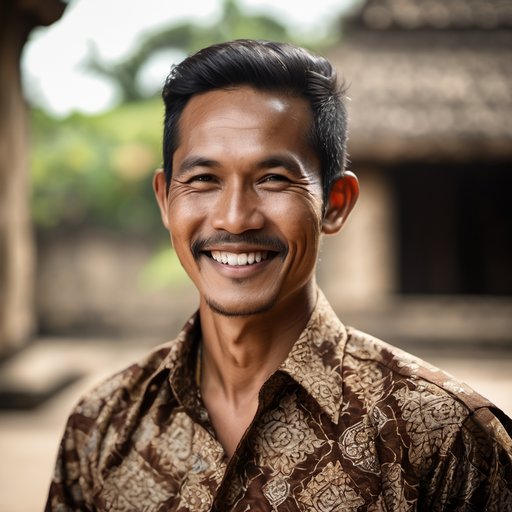
My name is Rama Kusuma. I have guided these temples since 2006, through dry seasons that baked the stone and wet seasons that turned the cave tracks to mud. The advice below is what I would give a friend who asked me when to book their flight. If you want the temples and the sunrises, the Borobudur sunrise from Setumbu Hill with Merapi and Prambanan (4.91 stars, 1,082 reviews) is the dry-season sweep most first-timers book. But the right tour for you depends on the month you choose, so read the full breakdown before you commit to dates.
Dry season: May to September
This is the season the booking pages are built for. The skies are clear, the sunrises are reliable, and every tour operator is running at full capacity. If your trip is built around the temples, the Borobudur sunrise, the Merapi jeep route, and the Jomblang cave beam, these are your months. The dry season gives you the highest hit rate on the experiences that depend on clear weather, and that hit rate is the reason the crowds come too.
The trade-offs are real and I want you to know them before you book. The Borobudur climb quota fills fastest in these months, sometimes a week or more in advance during July and August. Hotels charge their highest rates. The Setumbu Hill viewing platform at dawn can feel like a queue rather than a sunrise, and the temple terraces, which are capped by the quota, will still have a full complement of climbers in every slot. This does not ruin the experience, Borobudur at sunrise in the dry season is genuinely extraordinary, but it does mean you are sharing it with a crowd. If solitude matters more to you than clear skies, skip ahead to the wet season section.
Temperatures in the dry season range from pleasant to hot. Mornings start around 22 to 24 degrees Celsius (72-75°F), comfortable for temple walking, and afternoons can push past 32°C (90°F) on the open stone courtyards with almost no shade. The Merapi jeep route is dusty, the volcanic powder is at its driest and gets into everything, but the views of the summit are at their clearest. The cave tours run reliably, the Jomblang beam appears most mornings, and the Pindul river float is warm and pleasant. July and August are the peak months, with European and Australian school holidays driving the highest demand. Book everything further in advance during these two months.
Wet season: November to March
The wet season is sold as the "low" season by the industry, and that framing misses half the story. Yes, the afternoons bring rain, often heavy, sometimes for hours. Yes, the Jomblang Heaven's Light beam is a coin toss rather than a near-certainty. And yes, some cave operators scale back or close during the wettest weeks, particularly in January and February when the risk of flooding in the Gunungkidul karst is real. But the wet season also gives you the landscape at its most alive, the rice fields are a deep emerald you never see in the dry months, the morning light after a night of rain is washed clean, and the temples are so quiet you can stand on the Borobudur terraces with only a handful of other climbers around you.
The practical reality of wet-season travel in Yogyakarta is this: most rain falls in the afternoon, between roughly 2 p.m. and 6 p.m., and the mornings are frequently clear. A wet-season temple strategy is to book your outdoor experiences for the morning, Borobudur at dawn, Prambanan before lunch, Merapi jeep in the early hours, and save the indoor or covered activities for the afternoon. The Ramayana Ballet moves to its covered indoor theatre during the wet season, and it is a genuinely intimate way to see the performance, up close to the dancers' faces and the gamelan, in a way the open-air stage does not allow. I learned to stop apologising for the indoor stage years ago. A honeymoon couple I guided through a storm-forced indoor performance told me afterward they would have missed the dancers' expressions entirely from the open-air seats. A change of plan is not a downgrade.
The month to be cautious about is January. This is the peak of the wet season and the rains are at their heaviest and most persistent. Some Jomblang operators close entirely in January if the descent shaft is too wet or the underground passages are at risk of flooding. The Merapi jeep route becomes genuinely muddy, not just dusty, and while the jeeps can handle it, the experience is rougher and the views are more often obscured. If your trip falls in January, build flexibility into your itinerary and accept that at least one outdoor day will probably be lost to weather. The reward is that the few travellers who do come in January have the temples almost to themselves, and the photographs you take of Borobudur with storm clouds building behind the stupas have a drama the flat blue sky of July can never match.
Shoulder months: April and October
If I could only recommend two months to a first-time visitor, I would say April and October. These are the shoulder months, the transition between the wet and dry seasons, and they offer the best balance of everything. The rains are tapering off in April and just beginning in October, so you get mostly clear mornings with the occasional afternoon shower. The crowds are thinner than the July-August peak. The Borobudur climb quota is easier to secure. Hotel prices are lower. The rice fields are still green from the recent rains. And the Jomblang beam, while not as guaranteed as in June or July, appears more often than not.
April specifically is my personal pick. The heaviest rains have passed, the landscape is at its greenest after the wet months, and the dry-season crowds have not yet arrived. The temples are busy but not packed, the sunrises are clear maybe seven mornings out of ten, and the Merapi jeep route has dried enough to be dusty rather than muddy. October runs a close second: the dry season is winding down, the first rains begin to arrive but are usually brief, and the shoulder-month calm before the November holiday rush makes for a relaxed visit.
Ramadan: what it means for your trip
Indonesia is the world's largest Muslim-majority country, and Ramadan, the month of daytime fasting, moves through the Gregorian calendar by roughly ten or eleven days each year. This means the experience of visiting during Ramadan changes depending on which month it falls in, but the core reality is the same: during daylight hours, many local warungs (small eateries) close or operate on reduced hours, and it is courteous to be discreet about eating and drinking in public. The temples and tours run as normal. The Borobudur climb quota still applies. The sunrise tours still depart at 3:30 a.m. None of the headline experiences shut down for Ramadan.
What changes, and what many travellers find quietly wonderful, is the evening. When the fast breaks at sunset, the city comes alive. The angkringan stalls near Tugu station fill with people, the street-food alleys reopen, and there is a communal warmth to the nights that is different from the rest of the year. If your trip falls during Ramadan, plan your eating around the evening break, be considerate during the day, and you will be met with the same warmth as ever. Many travellers tell me afterward that Ramadan was their favourite time to visit, precisely because the rhythm of the city shifted in a way that felt real, not performed for tourists.
The one practical note: check daytime opening hours for the warungs and smaller restaurants you plan to visit. Many open later in the afternoon and run late into the night instead of their usual daytime hours. The temples and major attractions are unaffected.
School holidays and peak periods
The crowd calendar has three distinct peaks. The first is the European and Australian summer holiday window, roughly July through mid-August, when international visitor numbers are at their highest. The second is the Indonesian school holiday period, typically late June through mid-July, and again around late December through early January, when domestic tourism surges and the temples fill with local families. The third is the Idul Fitri holiday at the end of Ramadan, which shifts each year but brings a wave of domestic travel that can make hotels scarce and prices spike.
During these peaks, the Borobudur climb quota sells out faster, the Setumbu Hill platform is crowded, and the Jomblang morning slots are gone well in advance. If your dates fall in a peak period, book everything earlier than you think you need to. Two weeks ahead for the climb ticket, a week ahead for the caves, and your hotel as soon as your flights are confirmed. The experiences themselves are still worth doing, the temple does not get worse because it is busy, but your tolerance for sharing the sunrise with a crowd is something to be honest about before you book. If the thought of fifty people on the Setumbu platform at dawn bothers you, either come in the shoulder months or accept the trade-off and focus on the experience rather than the exclusivity.
Month-by-month summary
Here is each month in a single honest sentence, drawn from twenty years of working these temples through every season.
January: The wettest month, heavy afternoon rains, some cave tours close, the Jomblang beam is unreliable, but the temples are quiet and the rice fields are at their greenest.
February: Still wet, still quiet, mornings often clear, the landscape is alive, and you will share Borobudur with a handful of other visitors if you can tolerate the afternoon downpours.
March: Rains begin to ease, the transition toward the dry season starts, and the shoulder-month benefits of green fields and thinner crowds are still in play.
April: My personal pick, the sweet spot, clearing skies, green landscape, manageable crowds, and a strong hit rate on sunrises without the peak-season crush.
May: The dry season properly begins, skies clear, all tours run at full capacity, and the crowds have not yet reached their July peak, making this a strong month for temple-focused trips.
June: Clear and busy, Indonesian school holidays begin late in the month, the dry conditions are at their most reliable, and the Jomblang beam appears almost daily.
July: Peak season, the busiest month for international visitors alongside August, book everything well ahead, the sunrises are glorious and the crowds are real.
August: Still peak, still dry, still busy, the Merapi dust is at its finest and your shoes will never be clean, but the views of the summit are at their clearest.
September: The crowds begin to thin, the dry conditions hold, and you get much of July's weather with fewer people on the platforms, a strong month that is often overlooked.
October: The second sweet spot, the dry season winds down, the first rains arrive but are usually brief, and the temples are quieter than the summer peak while still mostly clear.
November: The wet season begins in earnest, afternoon storms are routine, the Jomblang beam becomes a gamble, but the crowds drop away and the temple mornings are still often clear.
December: Wet and variable, the late-month Indonesian holiday period brings a domestic travel surge, so book ahead if your dates fall after Christmas, and expect some rainy afternoons.
Decision matrix: match your priority to the right month
Here is the simplest way to decide. Match what matters most to you against the months that deliver it:
Clear temple sunrises: May through September, with July and August the most reliable and also the most crowded. April and October are the balanced alternatives.
Jomblang Heaven's Light beam: May through October, with the highest reliability in June through August. November through March is a gamble; January is the worst month for it.
Fewest crowds: January through March, and November. You will deal with rain but you will have the temples almost to yourself. September is the quietest dry month.
Greenest landscape: November through March, peaking in January and February when the rains are heaviest and the rice fields are at their deepest green.
Best overall balance: April and October. These are the months I recommend to my own friends when they ask.
Ramadan atmosphere: Depends on the Islamic calendar, not the month on the Gregorian one. Check the dates for your travel year. The evening energy is special, the daytime requires a little extra courtesy.
Budget travel: January through March, and November. Lower hotel rates, thinner crowds, and operators sometimes discount to fill slots. You trade weather certainty for savings.
Tours that work year-round
Some tours depend heavily on the season; others run well in any month. These three are the ones I recommend regardless of when your trip falls, because each has a plan for the weather and the crowds built into how they operate.
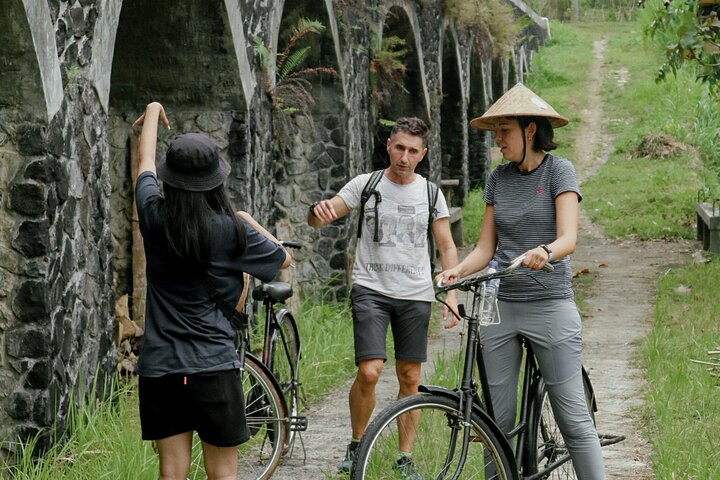
The year-round temple sweep: sunrise, volcano, and two UNESCO sites
The Borobudur Sunrise from Setumbu Hill, Merapi Volcano and Prambanan full-day tour is the most-reviewed option by a wide margin, 4.91 stars across more than a thousand travellers, and it runs reliably in every season. The Setumbu sunrise works best in the dry months but the misty wet-season mornings have their own beauty. The Merapi jeep handles wet and dry conditions. Prambanan closes the day regardless of weather. This is the tour I point first-timers toward when they want the headline sweep and accept that no single month guarantees perfection.
The honest note: this is a twelve-hour day with a pre-dawn pickup. In the wet season the afternoon rain may arrive during your Prambanan visit. In the dry season the midday heat on the temple courtyards is real. Pack for both and the day will work regardless.
See dates & prices →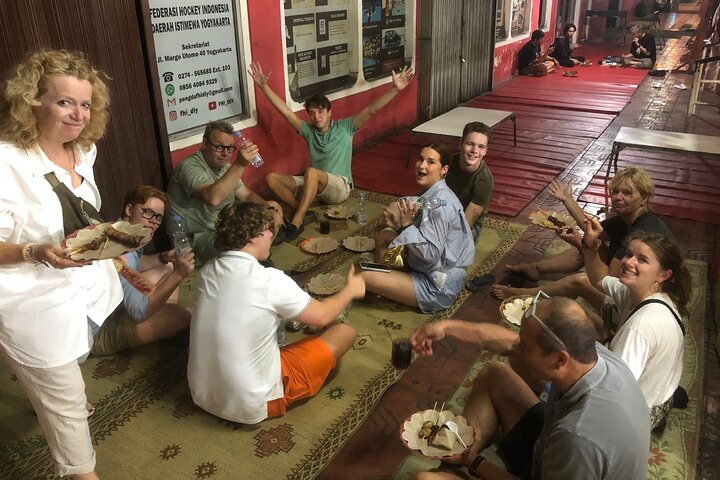
The private, flexible temple day: set your own pace regardless of season
In the wet season, flexibility is the thing that saves your day. If the morning is clear and the afternoon forecast calls for storms, you want a tour that lets you front-load the outdoor stops and shift the schedule, rather than one locked to a fixed group itinerary. The Borobudur Full Climb Up and Prambanan all-inclusive private tour at 4.96 stars from 165 travellers gives you exactly that: a private vehicle and guide so you can adjust the day to the weather as it unfolds. In the dry season it means you can linger on the terraces without a group rushing you. In the wet season it means you can pivot when the clouds build.
The trade-off: private pricing is higher per head than a shared tour. A solo budget traveller will pay for empty seats. But split between two or four people who value setting their own pace, it stops being extravagant and starts being the sensible choice, especially in the wet months when a rigid schedule can cost you the one clear hour of the day.
See dates & prices →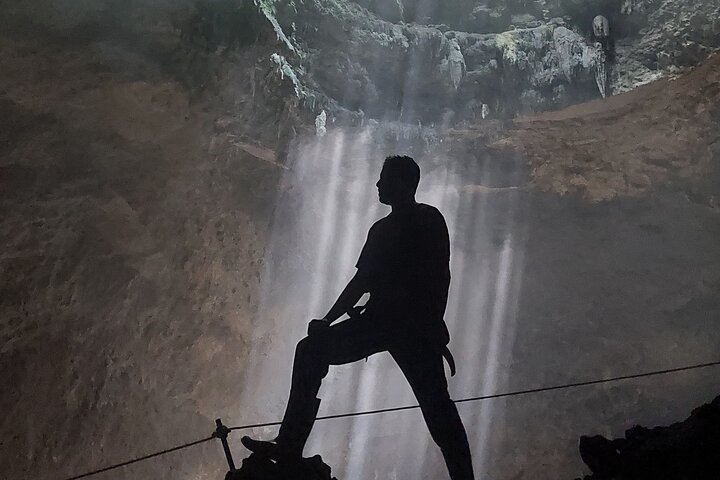
The cave day that works in most seasons: Jomblang plus Pindul with the drone option
The Yogyakarta Shared Tour: Jomblang and Pindul Cave with DRONE Option carries a perfect 5.0 from thirty travellers and is the cave tour I recommend for wet-season visitors who accept that the Heaven's Light beam is a gamble but want the experience regardless. In the dry season the beam is reliable. In the wet season the descent into the sinkhole and the gentle Pindul river float are still worth doing even if the light does not cooperate, and the drone footage of the green collapse-doline is striking in any weather. One caveat: check with the operator in January, as heavy rains can suspend Jomblang operations for safety. But for the other eleven months, this tour runs and the shared pricing keeps it accessible.
See dates & prices →How I choose which tours to recommend
I apply the same three checks to every tour on this site, in the same order. When recommending tours by season, each check takes on specific weight:
1. Guide quality. A guide who knows how to read the weather and adjust the day accordingly is worth more in the wet season than a guide who recites dates perfectly. The operators above have guides who watch the sky and pivot when they need to.
2. Safety record. In the wet season, the Merapi jeep tracks are slicker, the cave descents are wetter, and the pre-dawn drives are darker. I look for operators whose safety standards do not relax when the conditions get harder.
3. Value. In the shoulder and wet months, value shifts. A flexible private tour that lets you work around the rain is sometimes better value than a cheaper shared tour that forces you onto a schedule the weather will not keep. I earn a commission when you book through these Viator links, at no extra cost to you, that is how the site stays free. It does not change which tours pass the three checks.
Rama's timing rules
- Match your month to your priority, not the other way around. If the Borobudur sunrise is the centre of your trip, come in the dry season. If solitude matters more than a clear sky, come in the wet season. There is no single right month, only the right month for what you came to feel.
- April and October are the sweet spots. These are the months I recommend to friends. They balance weather, crowds, price, and availability better than any other months on the calendar.
- Book the Borobudur climb ticket further ahead in the dry season. July and August can sell out a week or more in advance. In the wet season you may have more flexibility, but the quota is still small and advance booking is still the safer bet.
- In the wet season, book your outdoor experiences for the morning. Most rain falls in the afternoon. Temples at dawn, caves before lunch, and save the indoor or covered stops for later. A flexible private tour helps you pivot when the forecast shifts.
- Check Ramadan dates before you book. Ramadan moves through the calendar each year by about ten days. The daytime rhythm changes, but the evenings are extraordinary. Know what to expect before you commit to dates.
- Check Jomblang availability in January. This is the only month where the cave may close entirely due to heavy rain and flooding risk. Confirm with your operator before you build a January itinerary around the descent.
The mistakes I watch travellers make with timing
The first is booking flights before deciding what they want from the trip. People pick dates that suit their work calendar and then try to force a Borobudur sunrise into a January itinerary, only to discover the wet season is not the season for reliable sunrises. Decide what you want to experience first, then match the month to it. The flights will still be there.
The second is assuming the wet season is a write-off. It is not. Some of the finest mornings I have guided were in February, with the temples washed clean and the volcanoes sharp against a sky scrubbed by overnight rain. The wet season demands flexibility and a backup plan. It does not demand cancellation.
The third is booking the peak season without booking the climb ticket. July and August visitors who assume they can sort out Borobudur access on arrival are the travellers I watch get turned away at the gate. If you are coming in the peak, the climb ticket is the first thing you book, not the last.
And the fourth, quietly, is not checking the Ramayana Ballet venue. In the dry season the ballet runs on the open-air Trimurti stage with the lit temple as backdrop, and it is a genuinely extraordinary thing. In the wet season it moves indoors to the covered theatre. The indoor performance is beautiful, up close to the dancers, intimate in a way the open-air stage is not, but if the outdoor stage is your reason for going, check which venue is scheduled before you book. I learned to stop apologising for the indoor stage years ago; a change of plan is not a downgrade, just a different kind of beauty.
Rama earns a commission when readers book through the Viator links on this site, at no extra cost to the traveller. This does not affect which tours are recommended, every tour passes three checks: guide quality, safety record, and value. Rama does not run a tour company. He does not sell packages.