Yogyakarta Historical and Food Tour vs Yogyakarta Cooking Class: Which Experience Wins?
I Did Both, Here's
I have lived in Sleman my whole life, and I have watched travellers come to Yogyakarta with two main appetites. One is for the city's layered history, its keraton, its temples, its colonial lanes. The other is for its food. Most visitors choose one tour to satisfy both. I decided to take two different ones back to back, and I want to tell you exactly what I found.
We earn a commission when you book through our links on Viator (PID P00303273), at no extra cost to you. This is how we keep the site free. Learn more →
The first was the Yogyakarta Historical and Food Tour, a well-rated 5.0 evening walk that blends heritage sites with night-market eating. The second was a newer cooking class, the Yogyakarta Cooking Class, hosted by Ibu Herni in her home kitchen. They sound similar on paper. They are not. Here is the honest breakdown.
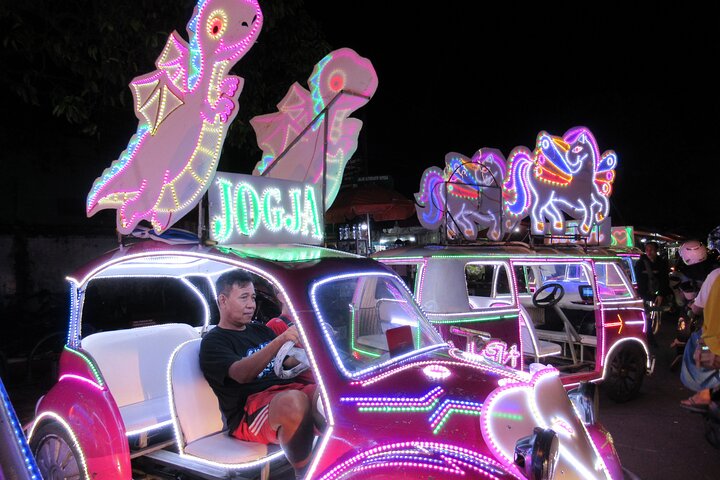
Yogyakarta Historical and Food Tour: The Experience
This tour starts in the late afternoon near the Kraton, the Sultan's palace, and moves on foot through the old city core. The guide walks you past the Taman Sari water castle, down the narrow lanes of the Pajeksan neighbourhood, and into the night market area around Jalan Malioboro. The food component is woven into the walk, not separated from it. You stop at a gudeg stall, a sate klathak cart, a place that makes wedang ronde (the ginger drink with peanuts and bread balls), and an angkringan for kopi joss. The guide explains the history of each dish and why it matters in Jogja.
What struck me was how the history and the food did not feel like two halves. They felt like one conversation. The guide pointed out that the same trading routes that brought spices to the Mataram kingdom also brought the techniques for fermenting tempeh. At the angkringan, he told the story of how the street-food culture emerged from the student protests of the late 1990s, when cheap food and coffee became meeting points for activists. I had walked those streets a thousand times and never connected those dots.
The group was about eight people. We spent roughly three and a half hours, and the food was included in the price. I ate well, and I learned things about my own city that I had missed for decades.
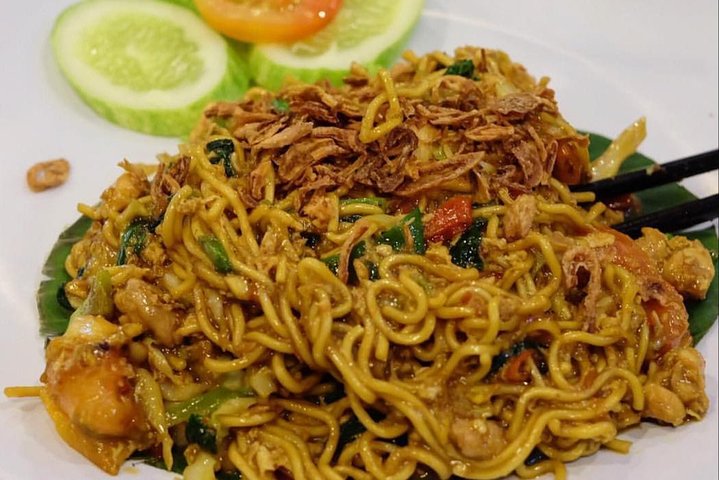
Why Nearly Won Me Over
The cooking class nearly won me because it is slower, quieter, and more personal. The Historical and Food Tour is a walk through the city's public life. The cooking class is a walk into someone's private world.
Ibu Herni's class begins at a local market near her home in the north of the city. She takes you through the stalls, explaining which herbs go into gudeg, how to pick a good jackfruit, and why the turmeric from this region is brighter than the stuff sold in Jakarta. Then you go back to her kitchen, a modest open-air space with a gas burner and a mortar and pestle that her grandmother used. You cook three dishes together: gudeg, sambal goreng krecek, and a sayur lodeh. She does not rush. She lets you taste the raw paste before it goes into the pot, then again after it cooks, so you feel the difference heat makes.
I brought my eldest daughter along that day, and Ibu Herni let her stir the jackfruit while explaining why the palm sugar must go in last. My daughter, who usually eats with her phone in one hand, asked if we could make gudeg at home. That moment alone nearly sold me on the class.
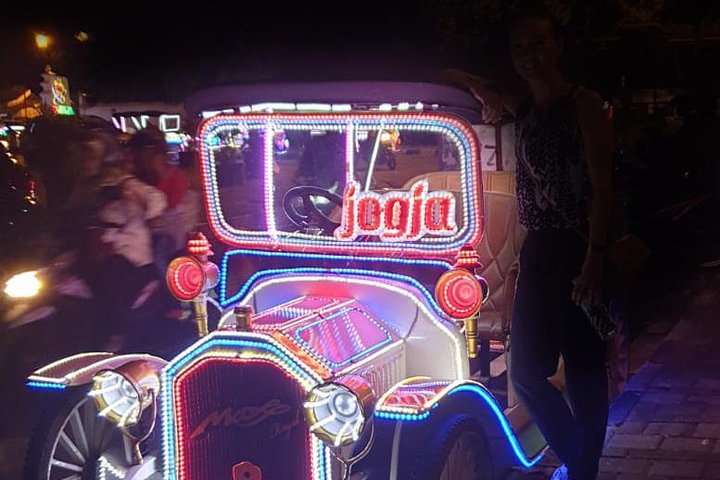
Yogyakarta Cooking Class: The Experience
The class runs about four hours from market to table. The group was only four people, which meant everyone got to chop, stir, and ask questions. Ibu Herni speaks English well enough to explain techniques, and she laughs easily when you mess up. The meal at the end is shared in her dining room, with her family sometimes joining. It feels like eating at a friend's house, not a tour.
The downside is that you do not see the city's history in the same way. You see the inside of one kitchen, one market, one family's routine. If you are the kind of traveller who wants to understand how a society feeds itself rather than how it built its monuments, this is the better choice. But if you came to Yogyakarta for Borobudur and Prambanan, and you only have one evening for food, the Historical and Food Tour gives you more context about the city itself.
The Moment I Made My Decision
The decision came down to a single question: what do I want to take home? After the Historical and Food Tour, I had a mental map of Jogja's streets and a list of stalls I would visit again. I knew why the gudeg in Wijilan tastes different from the gudeg in Kotagede, and I understood how the city's night markets grew out of its political history. That knowledge is useful every time I guide a guest through the city.
After the cooking class, I had a recipe and a memory. I could make gudeg at home, and I could tell the story of Ibu Herni's grandmother's mortar. But I could not use that knowledge to navigate the city or to explain its food culture to a traveller the next day.
For a visitor with limited time, the Historical and Food Tour is the better investment. It teaches you about Yogyakarta in a way that sticks. The cooking class is a warmer, more intimate experience, and I would recommend it to someone who already knows the city and wants to go deeper. But for a first visit, the tour wins.
What I Wish I'd Known Before I Went
I will give you the same advice I give my guests. First, the Historical and Food Tour starts in the late afternoon, around 16:00, and ends around 19:30. Eat a light lunch because you will eat a lot of food on the walk. Do not eat a heavy lunch or you will struggle to enjoy the gudeg and the sate and the wedang rond.
Second, the cooking class involves a market visit in the morning. Wear comfortable shoes and bring cash because you might want to buy extra ingredients from the market on your own. Ibu Herni's class is small, so book it at least a few days ahead, especially in the dry season from May to September when tourist numbers are higher.
Third, and this is the thing I see travellers get wrong most often: do not try to do both on the same day. The cooking class runs in the morning, and the food tour runs in the late afternoon. If you do both, you will eat two full meals of Javanese food and you will be miserable by dinner. Space them out by at least a day.
Fourth, if you book the Historical and Food Tour, ask the guide specifically about the angkringan culture. That is where the real story of modern Jogja lives. The kopi joss, the charcoal coffee with a glowing ember dropped into the cup, is not a gimmick. It is a tradition born from necessity and survival. The guide who knows that story will change how you see the city.
Finally, for the cooking class, bring a small notebook or use your phone notes. Ibu Herni does not give printed recipes. You will want to write down the proportions of palm sugar, galangal, and coconut milk. I did not, and I have been guessing ever since.
Who Should Skip Each Tour
Not every tour fits every traveller. Here is who should think twice before booking each one.
Skip the Historical and Food Tour if you already know Yogyakarta well or you have been living here for a while. The route covers landmarks that most residents pass daily, the Kraton, Taman Sari, Malioboro. If you have already walked those streets, the tour will feel like a repeat of geography you already own. The food stops, while excellent, are at well-known stalls. You will not discover underrated spots; you will visit places that already appear in every guidebook. This tour is designed for first-timers, not for people who already have their own favourite gudeg stall.
Also skip it if you are vegetarian or vegan. The Historical and Food Tour is built around meat dishes, sate klathak, the goat skewers, are central to the experience. The guide can adjust some stops, but the core of the tour is carnivorous. A vegetarian will eat gudeg and wedang ronde while watching everyone else enjoy the sate, and that is not a good use of an evening.
Skip the Cooking Class if you are in Yogyakarta for only one or two days and have not yet seen Borobudur or Prambanan. The class takes four hours of your morning, time that could be spent at the temples or exploring the keraton. It is a wonderful experience, but it is a deep cut, not an introduction to the city. You will leave knowing how to make gudeg but not why the Sultan's palace is laid out the way it is or where the Ramayana ballet fits into Javanese culture. For a short visit, the Historical and Food Tour gives you more context in less time.
Also skip the cooking class if you are travelling with children under ten. Ibu Herni's kitchen is small and has open flames. My daughter is twelve and managed well, but a younger child would get bored sitting through the market walk and the long cooking process. The class does not have a kids' version or a shorter option, it is the full four hours or nothing.
Explore More
Related comparisons and guides:
Photo Gallery
Frequently Asked Questions
Which tour is better for a first-time visitor to Yogyakarta?
The Yogyakarta Historical and Food Tour is better for a first-time visitor. It covers the city's history, architecture, and food culture in one walk, giving you a broad understanding of Jogja. The cooking class is more intimate but narrower in scope.
How long does each tour take?
The Historical and Food Tour runs about 3.5 hours, starting in the late afternoon. The cooking class runs about 4 hours, including the market visit and cooking time.
Can I do both tours in one day?
Technically yes, but I do not recommend it. The cooking class involves a full meal, and the food tour also includes substantial eating. Space them out by at least a day to enjoy both properly.
Do I need to book these tours in advance?
Yes. The Historical and Food Tour is popular and often sells out, especially in the dry season from May to September. The cooking class is small by design, so advance booking is essential for both.
Are dietary restrictions accommodated on either tour?
The cooking class can easily accommodate vegetarian, vegan, and gluten-free diets because you cook the food yourself. The Historical and Food Tour includes meat dishes, but the guide can adjust stops if you inform them in advance.
Which tour offers better value for money?
The Historical and Food Tour offers better value for most travellers because it combines a guided heritage walk with multiple food stops in a single price. The cooking class costs more per person but provides a more personal, hands-on experience.
Yogyakarta Historical and Food Tour
A 5.0-rated evening walk that blends heritage sites, night market, and food. Best for travellers who want history and culinary context together in one efficient outing.
Check Availability →Yogyakarta Cooking Class
A newer, intimate home-kitchen experience hosted by Ibu Herni. Begins at the local market buying ingredients. Best for travellers who want a personal cooking session over a big-group tour.
Check Availability →